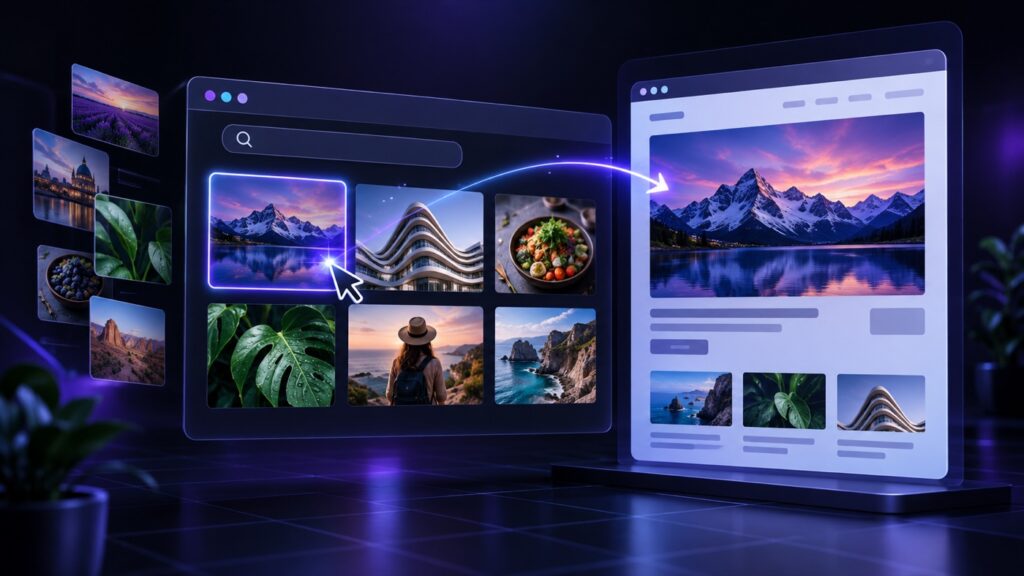
From visual canvas to code you own: a better WordPress handoff
Visual builders make the first draft easier, but handoff is where many of them become expensive. If the layout only exists as proprietary widget data, the next developer must learn the builder before understanding the page. The canvas should edit the web platform In Shilpi, selecting an element on the canvas edits real HTML structure […]

Visual builders make the first draft easier, but handoff is where many of them become expensive. If the layout only exists as proprietary widget data, the next developer must learn the builder before understanding the page.
The canvas should edit the web platform
In Shilpi, selecting an element on the canvas edits real HTML structure and reusable CSS classes. The visual interface is a productive view of the source, not a separate format that must later be translated.
A practical handoff checklist
- Use semantic headings, sections, navigation and lists.
- Name classes after their role instead of their current appearance.
- Move repeated decisions into variables and global classes.
- Keep page JavaScript small and focused on that page.
- Document integrations and dynamic placeholders close to the project.
Designers keep visual control
Ownership does not mean every change must happen in a code editor. Designers can work on the canvas, adjust responsive values and inspect the structure tree. The difference is that those actions produce output another professional can read without reverse engineering.
Developers inherit a normal website
A developer can inspect the page body, review the stylesheet and add behaviour with ordinary browser tools. If the project eventually leaves Shilpi, the valuable part, the HTML, CSS and JavaScript, does not disappear.
AI collaboration becomes reviewable
The same format also makes agent-assisted work safer. An AI agent can use scoped MCP abilities to change a page, while the human reviews familiar web code and the visual result. The agent gets capabilities, not unrestricted filesystem access.
The best handoff is not a document explaining a proprietary system. It is a website whose structure explains itself.